
Local
Granite countertops in Cayce: what to expect from start to finish
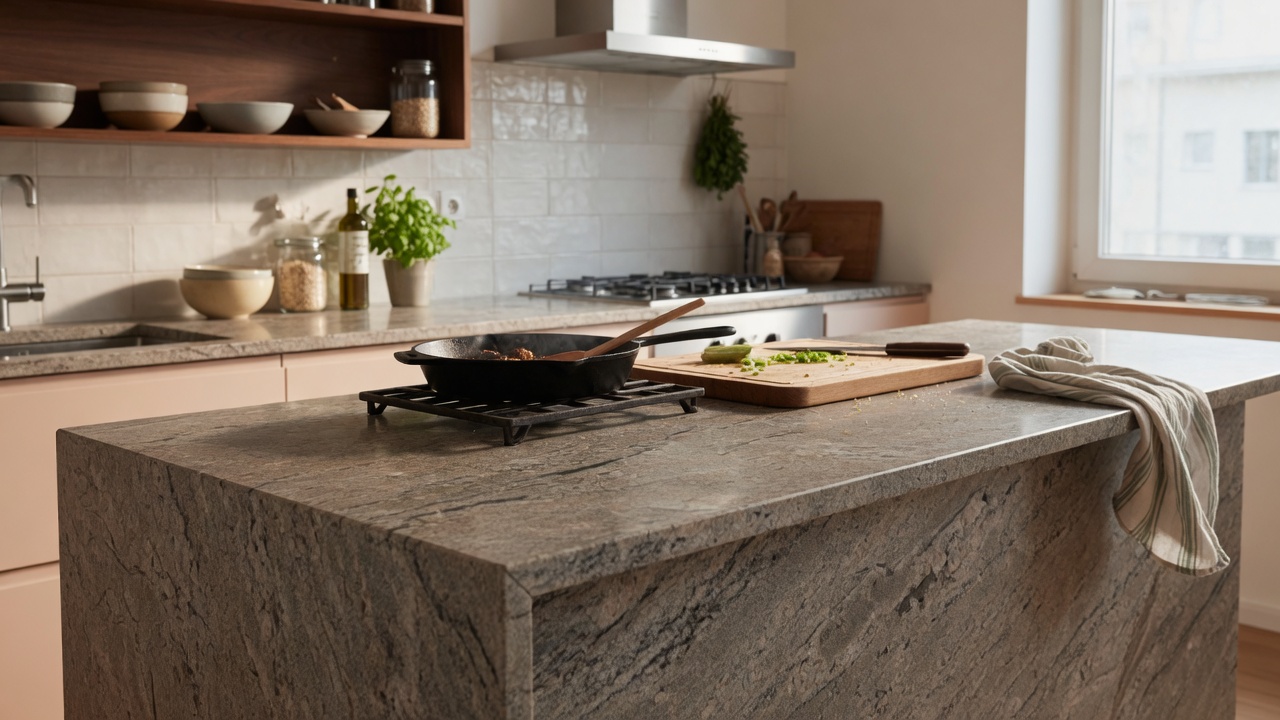
Cayce has a mix of older brick ranches near the river, newer builds out toward Lexington, and a good number of updated kitchens in between. Granite still fits most of them, and it's the stone we get asked about first when someone walks into our shop on Charleston Hwy. Here's how the process actually goes, in order.
Step one: figuring out what you actually want
Most people come in with a photo on their phone and not much more, and that's fine. We talk about how you use your kitchen, whether you bake a lot, whether you're the type who leaves a glass of wine sitting on the counter overnight, and what your cabinets and floors look like. Granite comes in a wide range of colors and movement, from tight speckled patterns to bold veining, so the goal here is narrowing down a look, not picking a slab yet.
Step two: looking at actual slabs
This is the part people underestimate. Granite is a natural product, so no two slabs are identical, even within the same named color. We walk you through our slabs in person so you can see the real variation, the veining, the mineral flecks, how the light hits it. A photo online never quite matches the slab in your hand. If you're doing a big kitchen, we'll talk about how many slabs you need and how we'll lay out the seams so the pattern flows the way you want.
Step three: templating
Once you've picked your slab, we come out and template your cabinets. This is where exact measurements get taken, sink and cooktop cutouts get planned, and edge profile gets decided. Cayce kitchens run the gamut from tight galley layouts in older homes to big open islands in newer construction, and templating is what makes sure the granite fits your actual space instead of some average size.
Step four: fabrication
This happens back at our shop. We cut the slab to your template, cut out the sink and cooktop openings, and shape the edges. This is also when we double check the seam placement against the actual slab pattern, since granite's natural movement means a seam that looked fine on paper might need a small adjustment to hide better in the finished top.
Step five: install and sealing
On install day, we set the granite, level it, and seal it with a top-shelf sealer applied by installers we train to do it right. A lot of shops leave sealing up to the homeowner after install. We don't. That first seal, the one that matters most for protecting the stone early on, is done for you before we leave. You'll still want to reseal every so often down the road, usually about once a year for most kitchens, but you're starting off covered.
What people ask us most
Does granite handle heat well? It handles brief contact with a hot pan better than most surfaces, but we still tell everyone to use a trivet or hot pad every time. It's a cheap habit that saves you a headache.
Will it scratch from a knife? Granite resists scratching well, but use a cutting board anyway. It protects your knives just as much as it protects the counter.
Does it stain? Sealed granite resists staining, but if you leave wine or oil sitting overnight, it can still soak in. Wipe up spills when they happen and you'll be fine.
How is granite different from quartz? Granite is natural stone and needs periodic sealing. Quartz is engineered with resin, doesn't need sealing, but can scorch from a hot pan where granite generally holds up better. Different tradeoffs, both solid choices depending on how you live.
A local note
Because granite is quarried and cut from real rock, the slab you see in our showroom is the one that ends up in your kitchen, not a sample chip. If you're weighing granite for a Cayce or Midlands kitchen, come look at what we've got on the floor at 2015 Charleston Hwy. Seeing the slabs in person tells you more in five minutes than any photo will.