
Stone, straight
What silicosis actually is, and who is really at risk
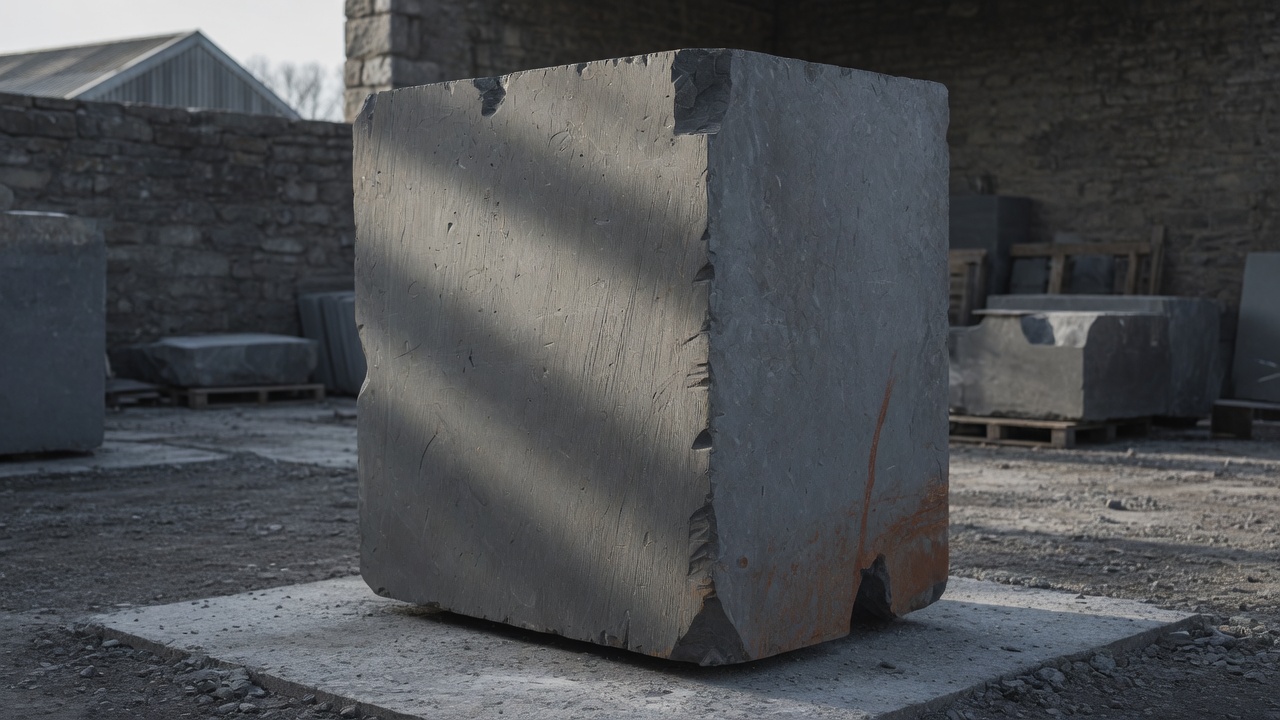
Silicosis gets thrown around as a scare word, often without anyone explaining what it is. It is worth understanding plainly, because the details are exactly what separate a real, serious occupational hazard from a headline that makes people afraid of their own kitchen.
What the disease is
Silicosis is an incurable, progressive scarring of the lungs. It is caused by inhaling respirable crystalline silica, the very fine fraction of silica dust that is small enough to reach deep into the lungs. Over time that dust triggers inflammation and permanent scarring, which makes it harder to breathe and does not reverse. Health agencies also associate long-term silica exposure with lung cancer, chronic obstructive pulmonary disease, and kidney disease, and the International Agency for Research on Cancer lists respirable crystalline silica as a known human carcinogen.
There is no cure, which is why the entire approach is about prevention: keep the dust out of the air, and keep it out of people's lungs.
How someone actually gets it
Two conditions have to be present. There has to be respirable dust in the air, and someone has to breathe it, usually repeatedly and over time. Silicosis is dose-and-duration driven. It develops from extended, repeated exposure to airborne silica, not from a single incidental encounter with stone.
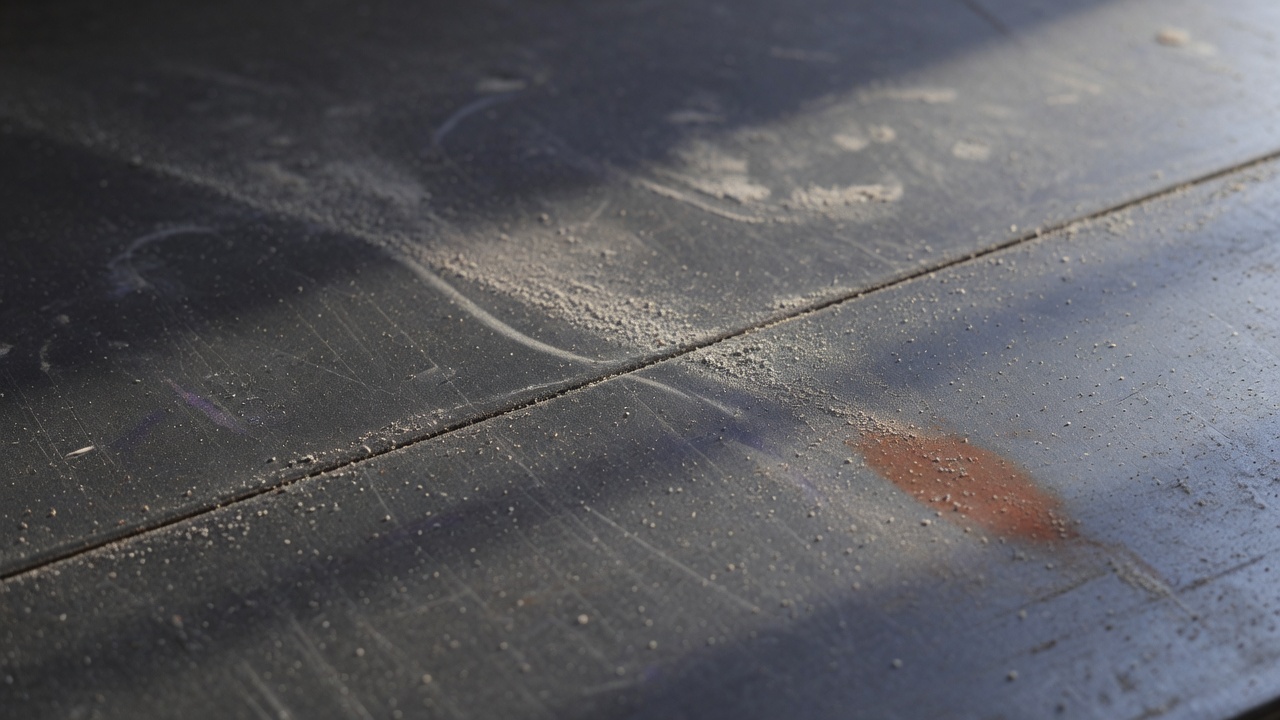
Respirable dust is generated by cutting and grinding, and it builds up where that work happens. Illustration.
Where does that airborne dust come from? Mechanical disturbance of high-silica material: cutting, grinding, and polishing slabs, particularly when it is done dry. Dry-cutting a very high-silica engineered slab with no water and no ventilation is close to a worst case. Doing the same work wet, with dust capture and respiratory protection, is a very different exposure.
A newer and more aggressive form, sometimes called accelerated silicosis, has shown up among engineered stone fabrication workers who cut high-silica slabs without adequate controls, and it can appear after far fewer years than the classic disease. The first confirmed engineered-stone silicosis case in Massachusetts was reported in late 2025, and federal agencies have been pressing fabrication shops to tighten their dust controls.
Who is really at risk
Put the two pieces together and the answer is clear. The people at risk are those who generate and breathe stone dust as part of their work: fabricators and finishers, and installers doing dust-generating work on site without protection. That is an occupational population, and it is exactly the group OSHA's silica rule is written to protect.
Homeowners are not in that exposure path. Owning and using a finished, installed countertop does not put respirable silica in your air. The disease concentrates among workers because the workers are where the dust is. The one exception is mechanical work on the stone itself: never dry-cut, grind, sand, or drill an installed counter, and leave any modification or removal to professionals using wet methods.
If you are a worker in this trade, or you are concerned about a specific exposure or symptom, that is a conversation for a physician or an occupational-health provider, not a blog post. What we can say generally is that this hazard is well understood and, with the right controls, preventable.
This article is general educational information about stone and stone safety. It is not medical, occupational-safety, industrial-hygiene, or legal advice. For workplace safety, rely on OSHA, NIOSH, and a qualified industrial hygienist; for a health concern, see a physician. Information is current as of publication and may change.
Sources: OSHA Respirable Crystalline Silica standard (29 CFR 1910.1053 and 1926.1153) and OSHA Fact Sheet 3768, plus the 2026 OSHA/NIOSH hazard alert on engineered stone; NIOSH and CDC guidance on silica and silicosis; the Massachusetts Department of Public Health safety alert (2025); the IARC classification of crystalline silica; and Safe Work Australia for the engineered-stone ban. In South Carolina, the silica standard is enforced through the SC State Plan (SC OSHA).