
Buying guides
Is Taj Mahal Quartzite worth it for a kitchen?
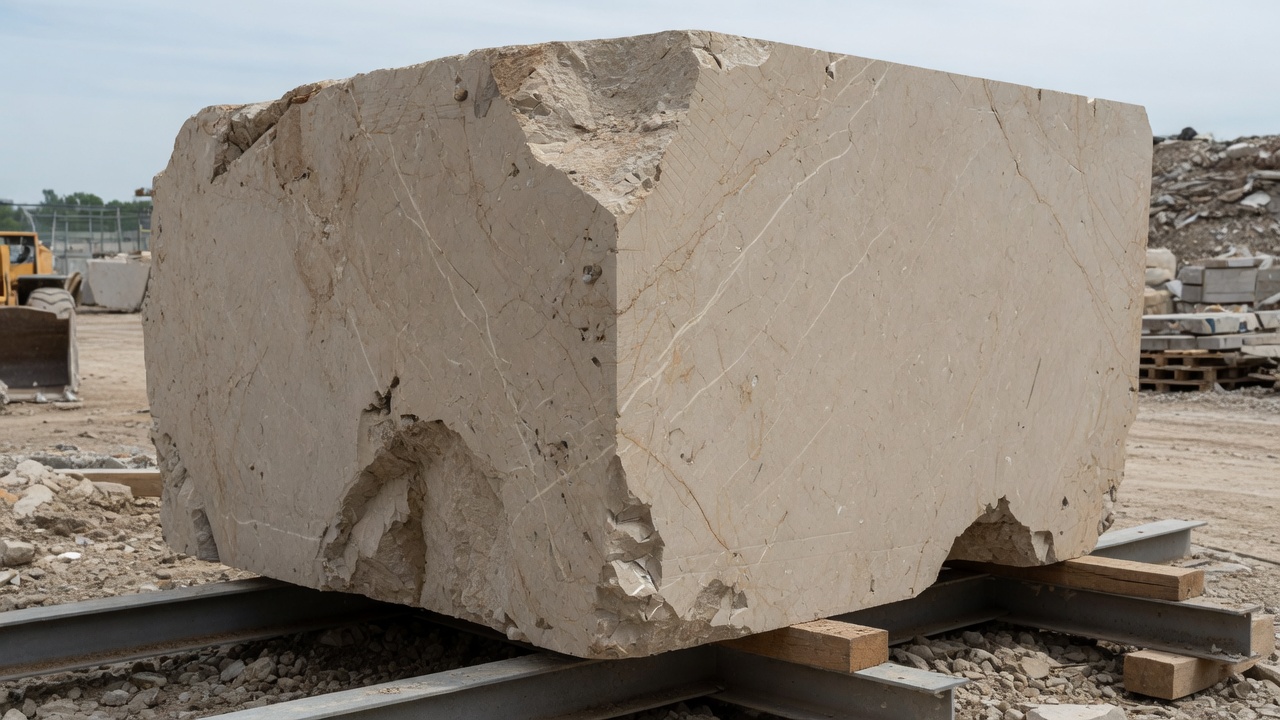
People ask us this a lot when they've seen Taj Mahal on a design show or a friend's remodel. The short answer: for most working kitchens, yes, it earns its price. But "worth it" depends on what you're comparing it to and how you cook. Let's get into the actual tradeoffs.
What you're paying for
Taj Mahal is a true quartzite, mined mostly out of Brazil, and it reads as a warm ivory or beige background with soft linen-like veining that moves across the slab in waves. It's popular because it gives you the movement of marble without marble's soft, easily etched surface. Because it's a real quartzite (hard, quartz-rich rock), it resists scratching better than marble and holds up well to daily kitchen use, cutting boards included.
Price-wise, it typically runs on the higher end of natural stone, often somewhere in the 80 to 150 dollars per square foot range installed, depending on slab grade and thickness. That's more than a mid-range granite. You're paying for the look and for a material that performs better than marble under real kitchen conditions.
The upkeep, plainly
Taj Mahal is porous like other natural stone, so it needs to be sealed. We seal every job at install with a top-shelf sealer, so you're covered from day one. You'll want to reseal periodically, usually about once a year for a busy kitchen. Even sealed, a spill of wine or oil that sits overnight can still leave a mark, so wipe things up when they happen. That's true of any natural stone, not a knock on this one specifically.
One thing to know: because slabs are sold by trade name, not every piece labeled "quartzite" at every yard is actually hard quartzite. Some softer, calcite-based stones get sold under similar-sounding names and will etch like marble. We go by how the actual slab behaves, not just the tag on it, so when you're shopping, ask to see the specific slab tested or at least confirm it's true quartzite.
Who it suits, and who it doesn't
Taj Mahal is a great fit if you love the marble look but cook enough that you're worried about etching from lemon juice or tomato sauce. It also suits kitchens with a lot of natural light, since the veining and background color shift depending on how light hits the slab, which is part of its appeal and part of why picking your actual slab in person matters.
It's a tougher sell if you're working with a tight budget, since it sits above most granites and a lot of quartz options in price. It's also not the pick if you want to skip sealing altogether. Quartzite, Taj Mahal included, is natural stone and needs to be sealed and resealed periodically. Quartz is the one surface that's non-porous and skips sealing entirely, so if that's the priority, quartzite isn't the low-maintenance choice.
Bottom line
For a kitchen that gets used and where you want a soft, marble-like look with real durability behind it, Taj Mahal earns its keep. Come see a few slabs at 2015 Charleston Hwy in Cayce. The color and movement vary enough from slab to slab that a photo won't tell you what you need to know.