
Buying guides
Picking the right Taj Mahal quartzite slab
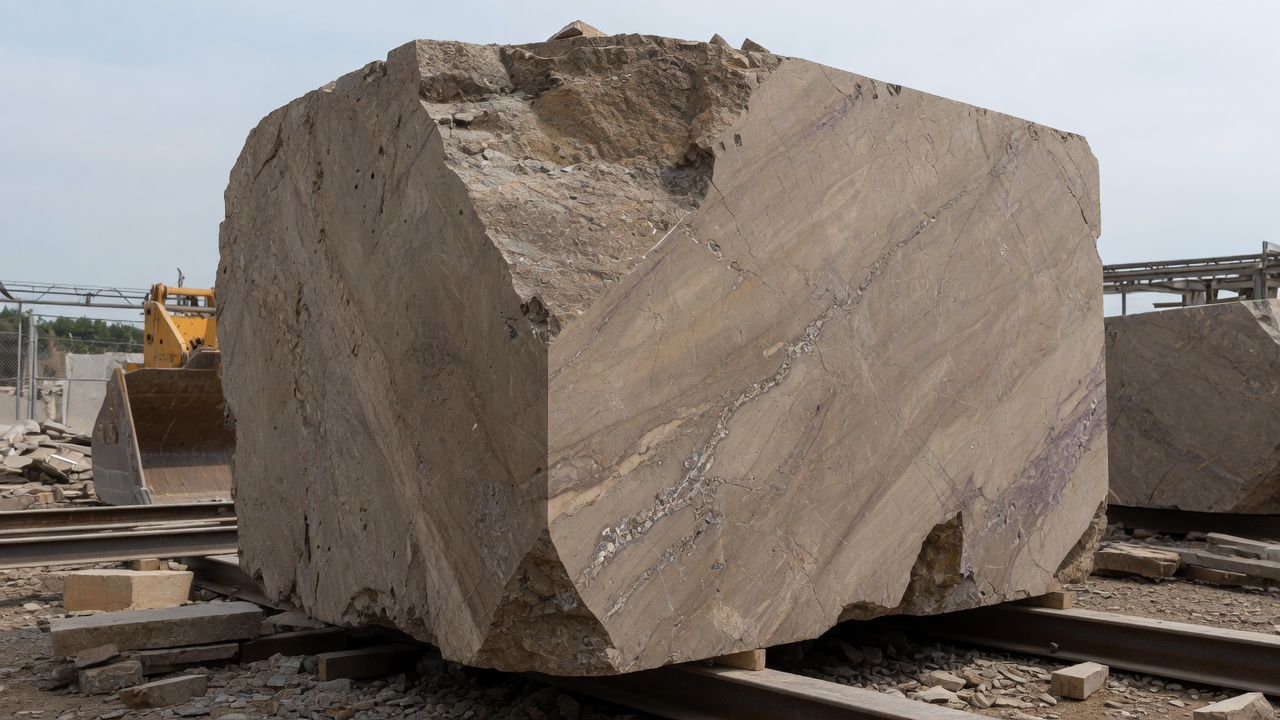
Taj Mahal is one of the most popular quartzites we sell, and it's also one of the most inconsistent from block to block. Two slabs both labeled "Taj Mahal" can look like different stones once they're standing side by side in the yard. That's not a defect, it's just how natural stone works. Here's how to think through picking the right one for your kitchen.
Why Taj Mahal varies so much
Taj Mahal quartzite forms in layers over a long time, and the minerals that create its color and movement aren't distributed evenly through the earth. A slab cut from the top of a block can look different from one cut a few feet lower in the same block, and a whole different block can look different still.
That's true of most natural stone, but it shows up more noticeably in Taj Mahal because the background is usually a soft cream or beige, which makes even small differences in veining stand out.
Two common looks, side by side
Quiet and creamy
- Background is soft ivory to warm beige, fairly even
- Veining is thin, tan or light gray, and spread out
- Reads almost like a warm marble from a few feet away
- Fewer bold movements, more of a calm, uniform field
Bold and dramatic
- Background can shift from cream to darker gold or gray tones across the slab
- Veining is thicker, sometimes rust or deeper gray, with more crossing lines
- Movement can look almost like brushstrokes or waves
- Some slabs have a cluster of heavy veining in one section and go quiet elsewhere
Neither version is better stone. They're both real quartzite with the same durability. The difference is purely how much visual energy you want on your countertops.
Why you have to see it in person
A photo, even a good one, flattens out the depth and can shift the color warmth depending on lighting and the camera. We've had customers pick a slab from a picture and be surprised (in both directions) once they stood in front of the actual piece.
A slab's trade name isn't a guarantee of what you're getting either. Some stone sold as quartzite is actually a softer calcite stone that behaves more like marble and etches from acids. We go by how a slab actually performs, not just the label on it, and we're happy to talk through what a specific slab is made of before you buy.
When you come look at slabs in person, bring:
- A cabinet door sample or a photo of your cabinets in daylight
- A paint chip or photo of your wall color
- A sense of your lighting (lots of natural light, mostly warm bulbs, mostly cool LED, etc.)
Stand back from the slab the way you would in a finished kitchen, not up close. Veining that looks busy at arm's length often calms down from six feet away, and the reverse is true too.
Matching it to cabinets and light
With white or light cabinets
A quieter, more even Taj Mahal slab keeps the whole kitchen soft and calm. A busier slab with strong veining creates contrast and becomes more of a focal point, which some people love and others find distracting for an all-white space.
With wood tone or painted cabinets
Warmer, gold-toned Taj Mahal slabs pick up nicely against natural wood or warm painted cabinets (sage, navy, warm gray). If your cabinets lean cool gray or black, a slab with more gray in its veining, rather than rust or gold, will tie the two together better than a very warm, gold-heavy piece.
With your lighting
Rooms with a lot of natural daylight show the true color of the stone most of the time. Rooms lit mostly by warm incandescent or warm LED bulbs will push any stone's color warmer than it looks in the showroom, so a slab that looks slightly cool or neutral under our lights might read warmer at home. If your kitchen has cooler LED light, a warm gold slab can look a little washed out. When in doubt, ask to see the slab near a window if the shop has one, or take a sample chip home for a day.
Slab selection and seam placement
Because Taj Mahal often has areas of concentrated veining and quieter areas, where the fabricator places the seams and cuts the pieces matters. A good fabricator will lay out your template on the actual slab (not just cut wherever) so the busiest veining lands somewhere intentional, like the island, rather than getting split awkwardly across a seam. Ask to see the layout before cutting if you have a strong preference about where a dramatic vein should land.
Caring for it once it's in
Quartzite is one of the harder stones we work with and resists scratching better than marble, and it handles brief contact with a hot pan better than most surfaces. Even so, we still tell every customer to use a cutting board and a trivet. It's porous like other natural stone, so it should be sealed and resealed periodically, usually about once a year for a kitchen that sees regular use. We seal every job at install with a top-shelf sealer, so you're covered from day one, but keeping up with resealing over the years is what keeps it performing the way it should.
If you're deciding between a quiet Taj Mahal and a bold one, it really comes down to what you want to look at every day, not which one is the "correct" choice. Come by 2015 Charleston Hwy in Cayce and walk the yard with your cabinet sample in hand. Seeing three or four Taj Mahal slabs next to each other usually makes the decision a lot clearer than any photo will.