
Stone, straight
Crystalline silica, silicosis, and stone countertops: where the real risk is (and isn't)
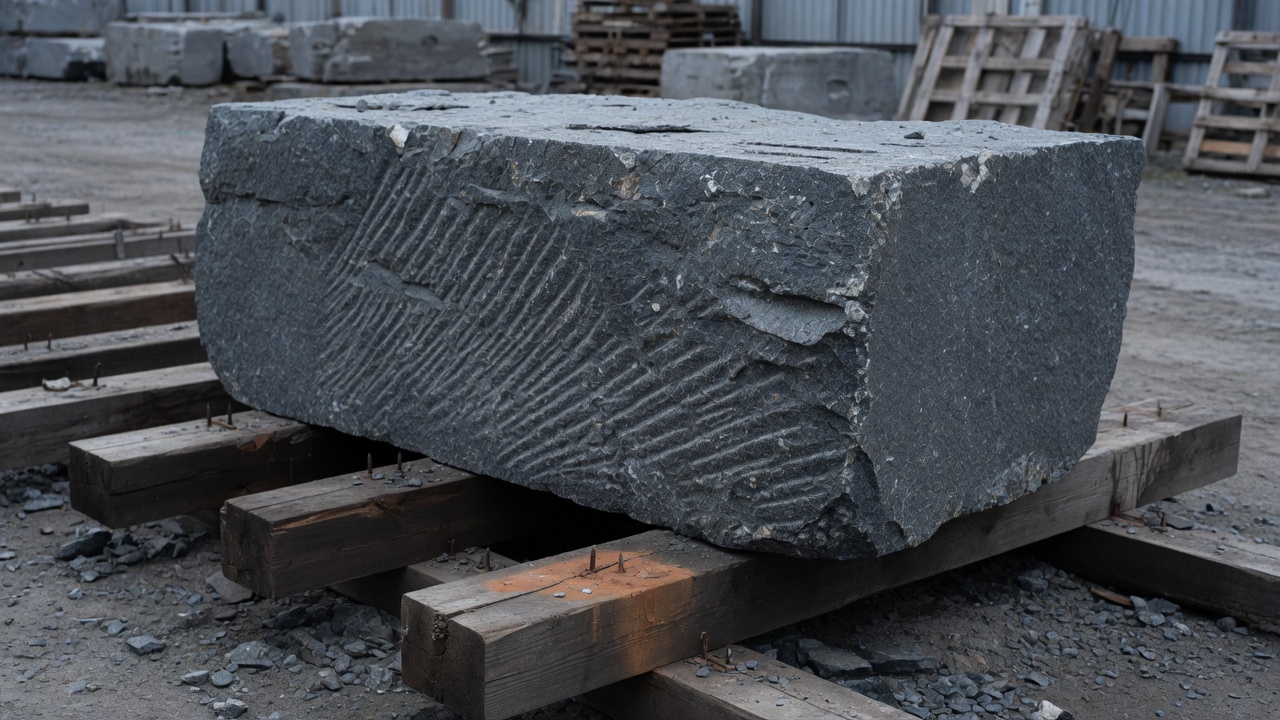
You may have seen headlines lately about stone countertops and a lung disease called silicosis. The disease is real, it is serious, and people, mostly young fabrication workers, have died from it. That is not something to wave off. It is also not the whole story, and the part the headlines usually skip is the part that matters most for a homeowner.
Here is the straight version.
The disease is real, and it comes from breathing stone dust
Silicosis is an incurable, progressive lung disease caused by breathing in fine, respirable crystalline silica dust over time. Crystalline silica is a natural part of most stone. When stone is cut, ground, or polished, especially dry, it throws off a fine dust, and repeated inhalation of that dust scars the lungs. The International Agency for Research on Cancer classifies respirable crystalline silica as a known human carcinogen, and health agencies also link long-term exposure to lung cancer, COPD, and kidney disease.
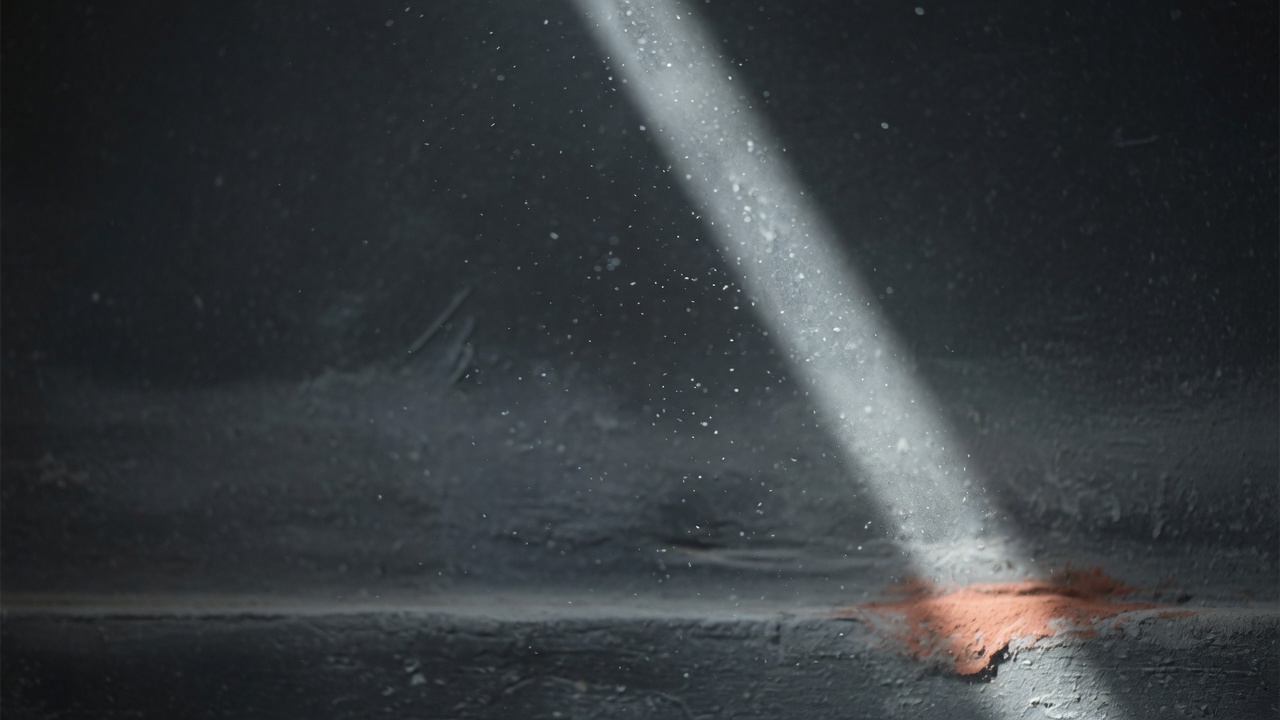
The hazard is the airborne dust from cutting stone, not the finished stone itself. Illustration.
Two things about it are worth holding onto. First, it is a dose-and-time problem: it comes from repeated exposure to airborne dust over time, not from a one-time or incidental brush with stone, and in the engineered stone era an accelerated form has struck fabrication workers after only a few years. Second, in recent years it has hit engineered stone fabrication workers especially hard, because engineered slabs are very high in silica and much of the affected work was done dry, without water suppression or respiratory protection, the pattern OSHA and NIOSH identified in the outbreaks.
The risk lives in fabrication, not in your kitchen
This is the distinction the coverage tends to blur. The people at risk are the ones generating and breathing the dust: fabricators cutting, grinding, and polishing slabs, day after day, often without the right controls. That is an occupational exposure.
A finished, installed, undisturbed countertop in normal household use does not release respirable crystalline silica. Cooking on it, cleaning it, and living with it are not exposure paths. The finished counter is not what makes people sick; cutting into stone is.
The one caveat is honest and simple: the dust only appears when the stone is mechanically disturbed. So never dry-cut, grind, sand, or drill an installed countertop yourself, and if a counter is ever modified, repaired, or torn out, that work should be done by professionals using wet methods and proper protection. That is not fear, it is just how the material works.
What a responsible shop does about it
The reason this disease is preventable is that the dust is controllable. The OSHA respirable crystalline silica standard is built around reducing exposure through engineering controls, and a shop that follows it is working to keep dust out of the air. In practice that means cutting and grinding wet so water suppresses the dust, capturing dust at the tool with ventilation, using respiratory protection based on an exposure assessment, monitoring the air, training the crew, and cleaning up with methods that do not kick dust back into the air.
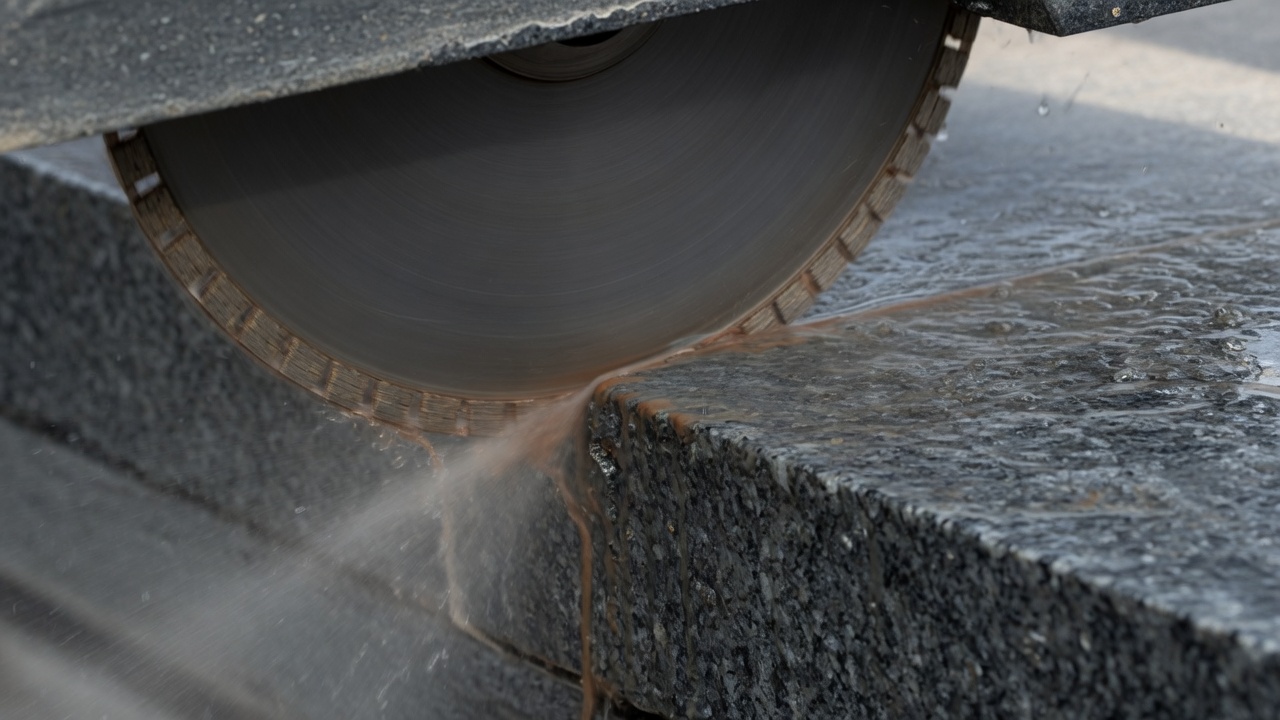
Wet cutting suppresses the dust right at the blade, the core control. Illustration.
So the useful takeaway for a homeowner is not to shy away from stone. It is to understand that fabrication is skilled, regulated work, and to expect the shop handling your slab to do it right. A shop cutting dry in a cloud of dust with no protection is the one creating the risk, for its own people first.
If you want the deeper pieces, we break out what silicosis actually is, why the finished product is safe to live with in normal use, how silica differs across stone types, and the common myths in the rest of this series.
This article is general educational information about stone and stone safety. It is not medical, occupational-safety, industrial-hygiene, or legal advice. For workplace safety, rely on OSHA, NIOSH, and a qualified industrial hygienist; for a health concern, see a physician. Information is current as of publication and may change.
Sources: OSHA Respirable Crystalline Silica standard (29 CFR 1910.1053 and 1926.1153) and OSHA Fact Sheet 3768, plus the 2026 OSHA/NIOSH hazard alert on engineered stone; NIOSH and CDC guidance on silica and silicosis; the Massachusetts Department of Public Health safety alert (2025); the IARC classification of crystalline silica; and Safe Work Australia for the engineered-stone ban. In South Carolina, the silica standard is enforced through the SC State Plan (SC OSHA).