
Stone, straight
Silica misinformation, both kinds: myth vs fact
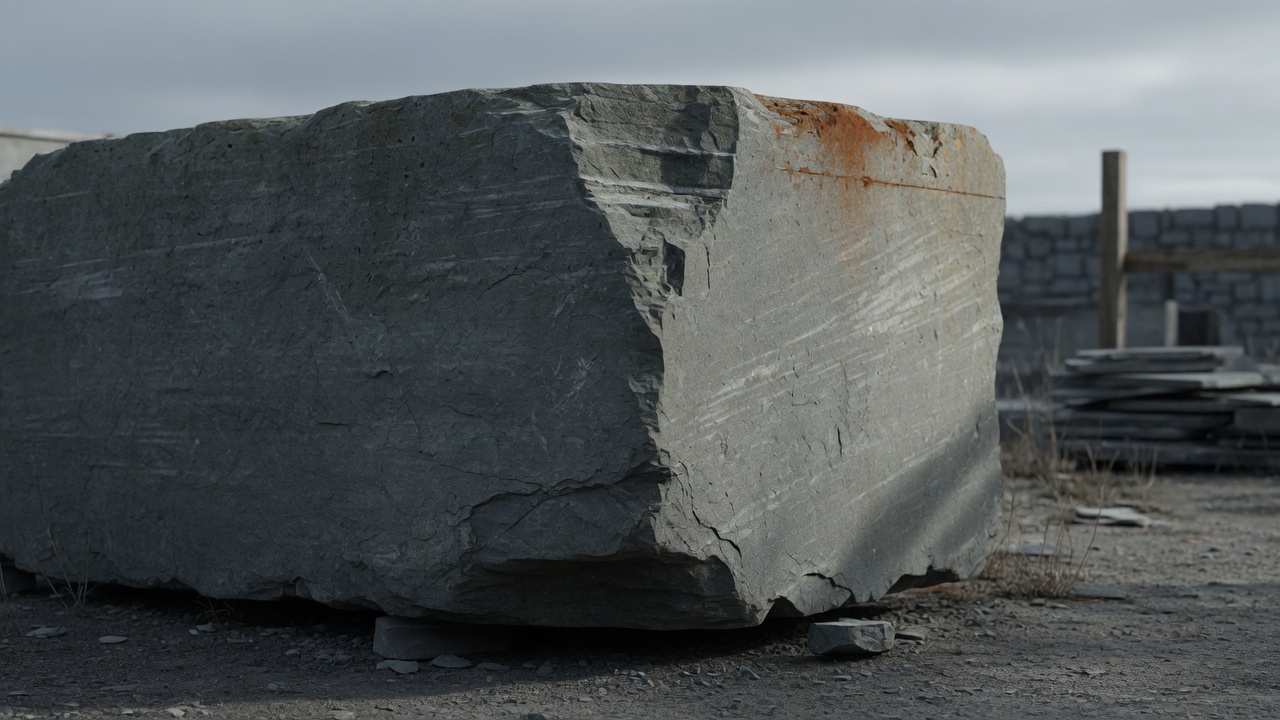
Bad information about silica and countertops comes in two flavors, pointed in opposite directions. One scares homeowners about a product that is safe to live with. The other downplays a serious, sometimes fatal hazard for the people who cut stone. Both get in the way of the truth, so here is the straight line on each.
The alarmist myths (aimed at homeowners)
What gets confused: that your quartz or granite countertop is giving off silica and putting your family at risk. Fact: a finished, installed, undisturbed countertop in normal household use does not release respirable crystalline silica. The dust that causes silicosis is created by cutting, grinding, and polishing stone, not by an intact surface sitting in your kitchen. Living with the counter is not an exposure path.
What gets confused: that silicosis means stone countertops are unsafe and you should avoid them. Fact: silicosis is an occupational disease of stone fabrication, tied to breathing dust over time. It is a reason to expect proper dust control in the shop, not a reason to avoid stone in your home.
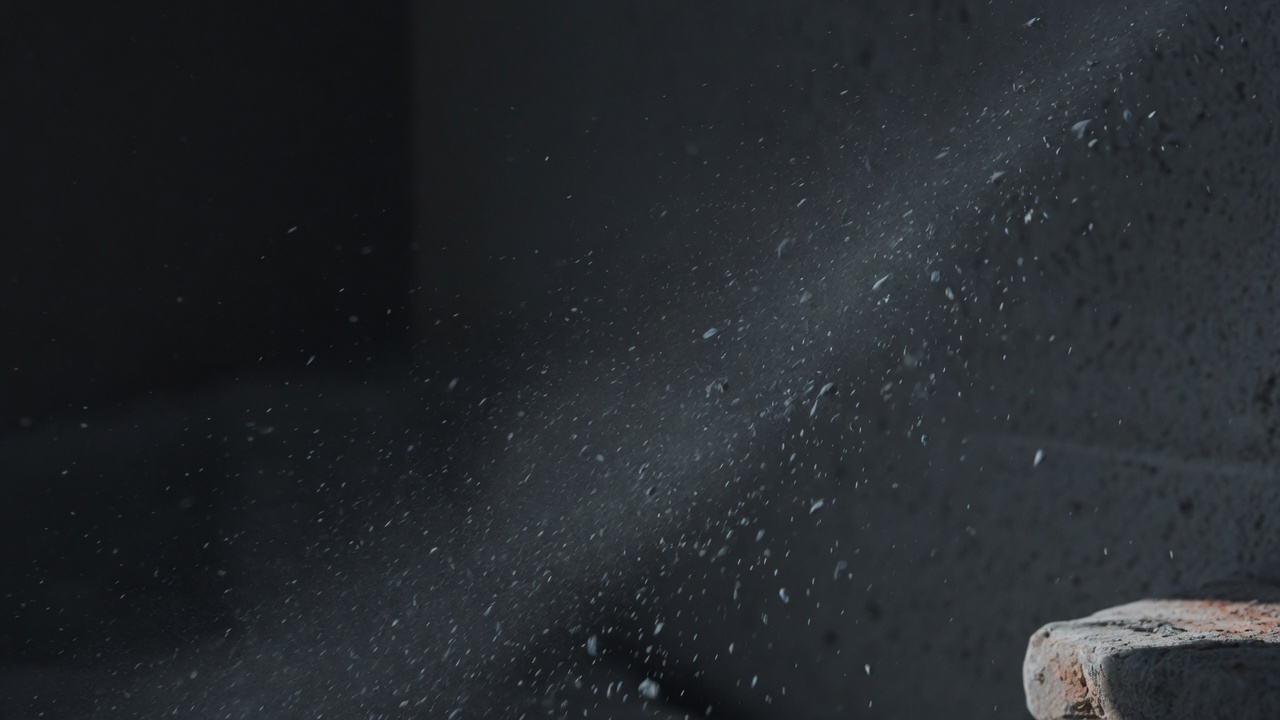
The alarmist version fixates on dust that a finished counter does not produce. Illustration.
The one true caveat inside all of this: do not cut, grind, sand, or drill an installed counter yourself, and use professionals with wet methods for any modification or removal. That is essentially the only way a homeowner puts silica dust in their own air.
The downplaying myths (aimed at the trade)
Myth: it is just dust, and a paper dust mask handles it. Fact: respirable crystalline silica is a known human carcinogen, and controlling it is specific work. The recognized approach is engineering controls first, cutting and grinding wet, capturing dust at the tool, and then respiratory protection selected based on an actual exposure assessment. A loose dust mask is not a substitute for that.
Myth: silicosis is overblown, people have always cut stone. Fact: the disease is real and, in the engineered stone era, has hit fabrication workers hard and fast. Very high-silica slabs cut dry produce a lot of respirable dust, and a newer, accelerated form of silicosis has shown up in workers after relatively few years. Regulators including Safe Work Australia and, in the United States, OSHA and NIOSH have treated it as a serious and growing occupational hazard, not a scare.
Myth: if it were really dangerous, it would be banned. Fact: according to Safe Work Australia, Australia prohibited the manufacture, supply, processing, and installation of engineered stone benchtops, panels, and slabs, effective 1 July 2024, with an import ban from the start of 2025. The ban does not cover products under about one percent crystalline silica. It was a worker-safety decision about the dust from cutting the material, and Safe Work Australia notes engineered stone can be used safely once installed and left undisturbed. It was not a finding that installed countertops harm homeowners.
The honest middle
Put both sides together and you get the real picture. Silicosis is a serious, preventable, occupational disease driven by breathing stone dust over time. It is controllable, and a shop that follows the silica standard is working to keep that dust out of the air. And the finished countertop in your home is safe to live with in normal use.
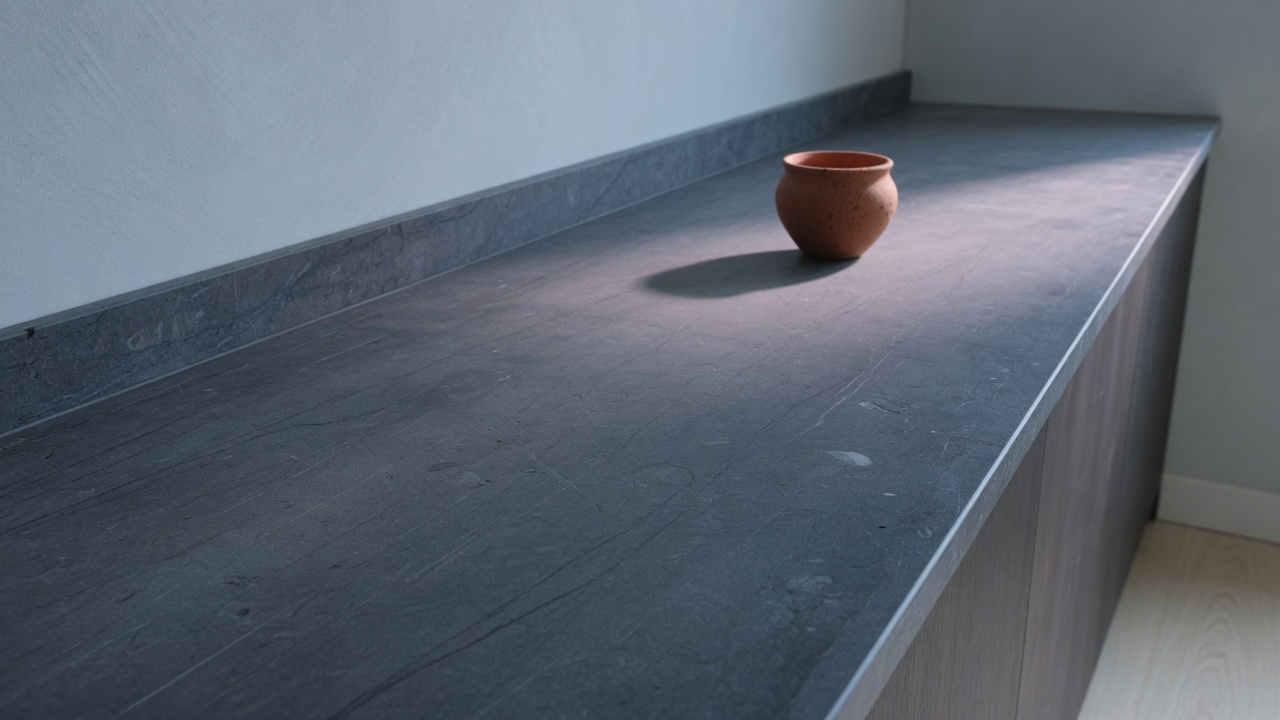
The finished product is safe to live with in normal use. Illustration.
None of those statements contradicts the others. The misinformation only wins when you hear one of them without the rest.
This article is general educational information about stone and stone safety. It is not medical, occupational-safety, industrial-hygiene, or legal advice. For workplace safety, rely on OSHA, NIOSH, and a qualified industrial hygienist; for a health concern, see a physician. Information is current as of publication and may change.
Sources: OSHA Respirable Crystalline Silica standard (29 CFR 1910.1053 and 1926.1153) and OSHA Fact Sheet 3768, plus the 2026 OSHA/NIOSH hazard alert on engineered stone; NIOSH and CDC guidance on silica and silicosis; the Massachusetts Department of Public Health safety alert (2025); the IARC classification of crystalline silica; and Safe Work Australia for the engineered-stone ban. In South Carolina, the silica standard is enforced through the SC State Plan (SC OSHA).