
Stone, straight
Silica across stone types: engineered, quartzite, granite, marble
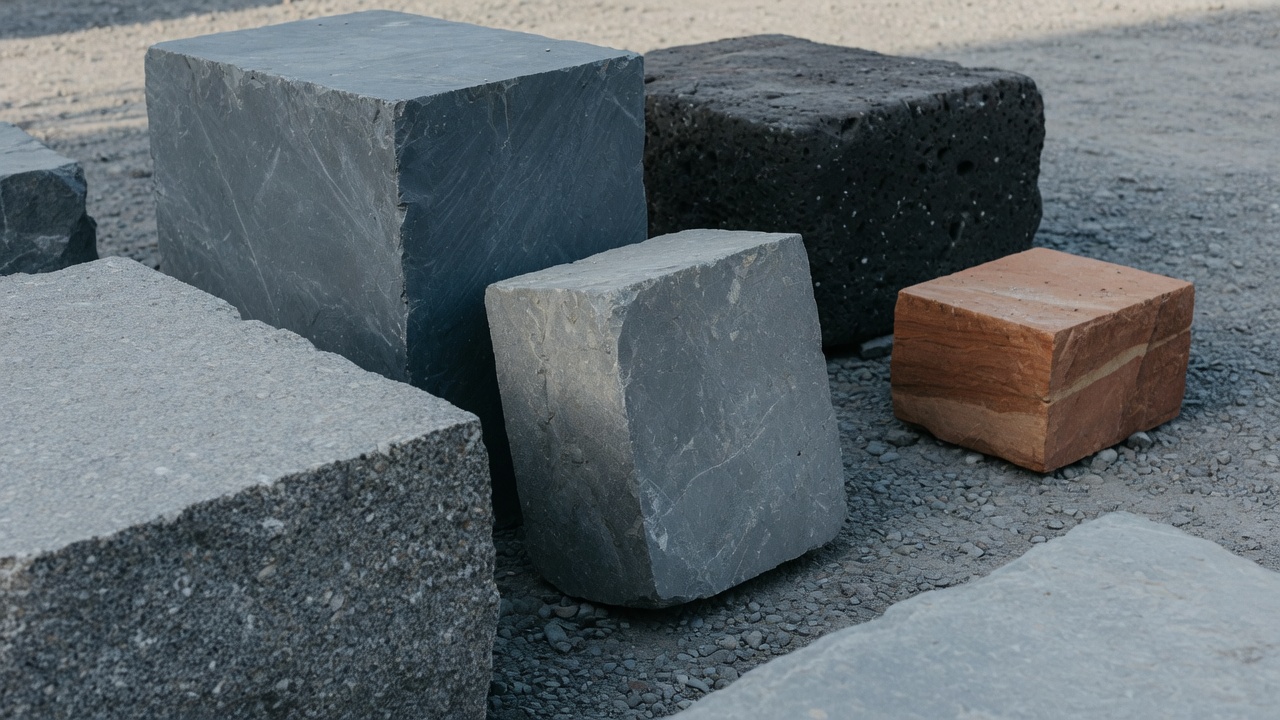
Not all stone carries the same amount of crystalline silica, and that difference gets misused in two directions: to make one material sound toxic, or to make another sound risk-free. Neither is right. Here is the brand-neutral version, with the important framing up front: silica content is a fabrication concern, about the dust generated when the stone is cut, not a signal about how safe the finished counter is in your home.
Roughly how the stones compare
These are general ranges, not exact numbers, and they vary by product and source.
- Engineered stone (often sold as "quartz") has historically been very high in crystalline silica, commonly around ninety percent or more. Worth knowing: some manufacturers have introduced lower-silica engineered lines in recent years, so the figure is not universal anymore. If a specific product's silica content matters to you, ask for its Safety Data Sheet.
- Quartzite, a natural stone, is also high in silica, often comparable to the high end of natural stone.
- Granite is variable and generally lower than engineered stone, with published ranges spanning roughly the low tens up into the forties of percent depending on the source and the specific stone.
- Marble and other calcium-based stones are low in crystalline silica.
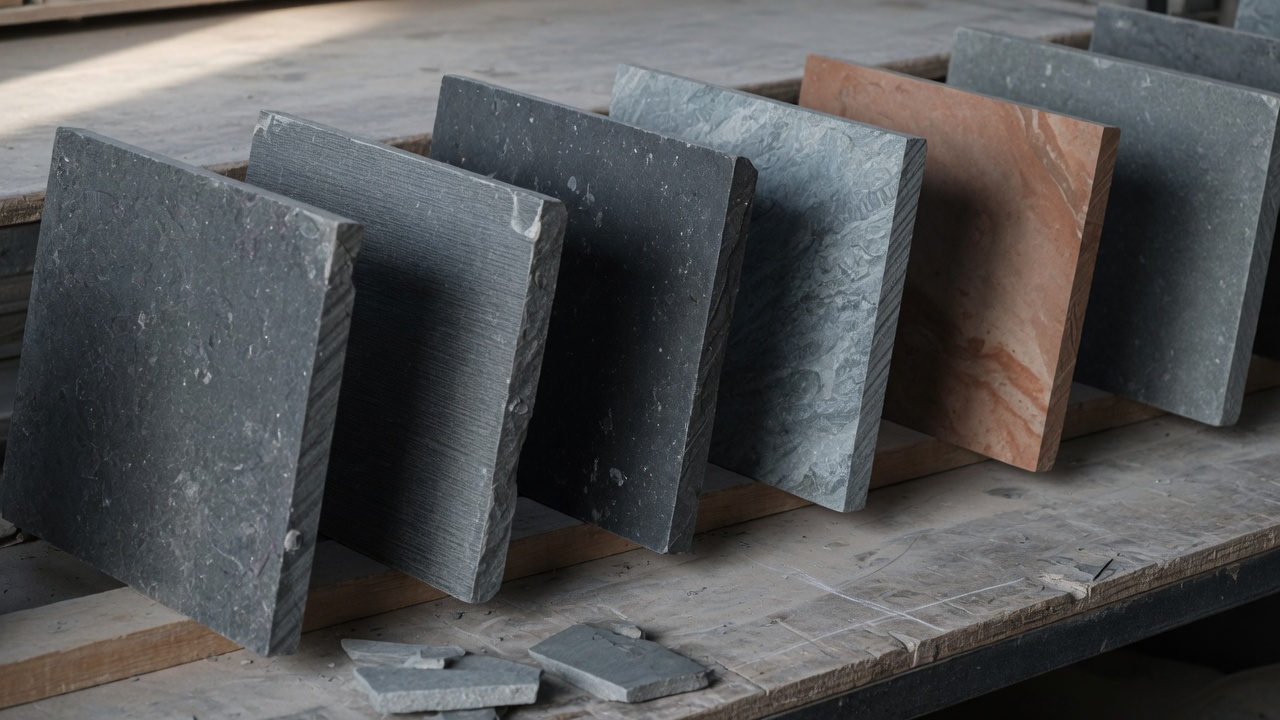
Different stones carry very different amounts of silica, which matters to the person cutting them. Illustration.
Why this matters, and to whom
The higher the silica content, the more respirable crystalline silica the dust can contain when that stone is cut or ground dry. So content is a real input to how a shop plans its dust control. It matters to the person making the dust.
What it does not do is rank the finished countertops by how safe they are to own. An installed, intact counter of any of these stones does not put respirable silica in your household air. A high-silica engineered top and a low-silica marble top are, in that specific sense, the same in your kitchen: safe to live with in normal use.
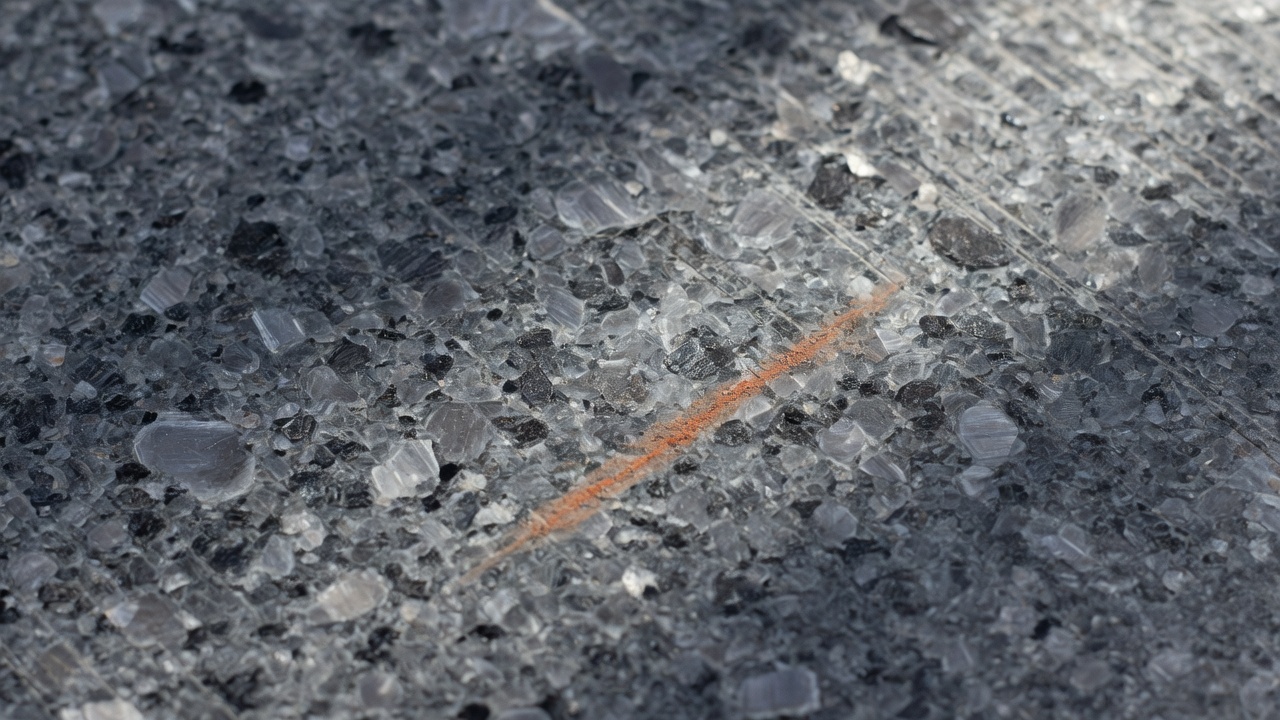
Crystalline silica is locked into the stone and only becomes dust when the stone is cut. Illustration.
Two things worth not overreading
First, "natural equals safe to cut, engineered equals dangerous" is too simple. High-silica natural stones like quartzite, and to a real degree granite, also require dust control during fabrication. The hazard is dust from cutting any high-silica stone, not a property unique to engineered material.
Second, "low silica equals the better countertop for me" is the wrong takeaway for a homeowner. Silica content is about the fabrication process. Choosing a stone for your home is about look, durability, maintenance, and cost, and all of these materials are safe to live with once installed, in normal use. Pick the stone you love and want to maintain, and expect whoever fabricates it to control the dust properly, regardless of which one it is. And as with any stone, never cut, grind, or drill an installed counter yourself; leave any modification or removal to professionals using wet methods.
This article is general educational information about stone and stone safety. It is not medical, occupational-safety, industrial-hygiene, or legal advice. For workplace safety, rely on OSHA, NIOSH, and a qualified industrial hygienist; for a health concern, see a physician. Information is current as of publication and may change.
Sources: OSHA Respirable Crystalline Silica standard (29 CFR 1910.1053 and 1926.1153) and OSHA Fact Sheet 3768, plus the 2026 OSHA/NIOSH hazard alert on engineered stone; NIOSH and CDC guidance on silica and silicosis; the Massachusetts Department of Public Health safety alert (2025); the IARC classification of crystalline silica; and Safe Work Australia for the engineered-stone ban. In South Carolina, the silica standard is enforced through the SC State Plan (SC OSHA).