
Local
Quartzite countertops for Swansea homes: what folks actually ask us
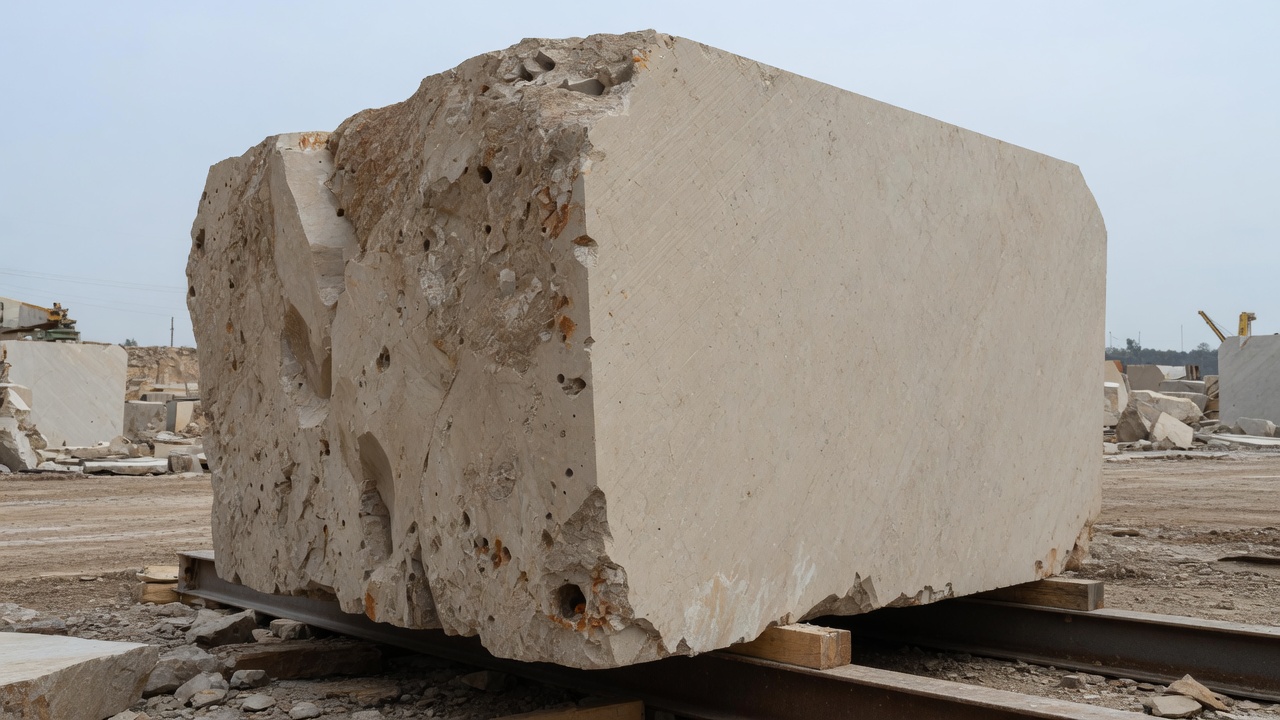
We see a good number of folks from Swansea come through our Cayce shop, usually after a new build out toward Pine Ridge or a kitchen update in one of the older brick ranches near town. Quartzite comes up a lot in those conversations, partly because it looks like marble but people have heard it holds up better. Here's what we actually tell them.
Is quartzite the same thing as granite?
No, and it's not the same as marble either, even though it often gets grouped in with both. Quartzite starts out as sandstone and gets compressed and heated underground until it turns into a much harder rock, mostly quartz. That's what gives it the light, sometimes marble-like veining people love, along with real durability. Granite is a different rock entirely, formed from cooled magma. Both are good countertop choices, but they're not interchangeable, and a slab labeled "quartzite" at a yard isn't always what it says. We go by how the stone actually behaves, not just the tag on it.
Will it hold up in a busy kitchen with kids?
Quartzite is one of the harder stones we fabricate, and it resists scratching better than marble. Even quartzite can scratch under the wrong conditions, though, so we still tell people to use a cutting board. It's a countertop, not a cutting surface, no matter how tough it is. For a house with kids running through the kitchen, spilling juice and setting down hot dishes, quartzite is a solid pick, but good habits still matter.
Can I set a hot pot on it straight from the stove?
Quartzite handles brief contact with heat better than most surfaces we work with. We still recommend a trivet or hot pad every time, no exceptions. Thermal shock can happen to any stone if a pan is hot enough, so it's just not worth the risk to a slab you're paying good money for.
Does it stain, and does it need sealing?
Yes, it's porous like other natural stone, so it should be sealed. We seal every job at install with a good sealer, applied by installers we train to do it right, so you're not left to figure that out yourself. You'll want to reseal it every so often, usually about once a year for most kitchens, depending on how much cooking happens. Even sealed, a spill of wine or oil that sits overnight can still leave a mark, so wipe things up when they happen. That's just how natural stone works.
Will it etch like marble does?
Generally, no. True quartzite resists etching from lemon juice, vinegar, and other acids far better than marble, because it's mostly quartz rather than calcite. That's one of the big reasons Swansea homeowners choose it over marble for a kitchen that sees real cooking. The catch is that some slabs sold as quartzite are actually a softer, calcite-based stone that will etch like marble does. We check the slab itself before it leaves our shop so you know what you're getting.
What's it going to cost for a typical Swansea kitchen?
Pricing depends on the slab you pick, since quartzite ranges quite a bit in rarity and look, plus the size and layout of your kitchen. As a rough range, most quartzite jobs in the Midlands run somewhere in the 60 to 120 dollars per square foot range installed, though it can move outside that depending on the slab. We'll always give you a real number once we see your space and the slab you like.
If you're in Swansea and thinking about quartzite, come look at slabs in person at our shop on Charleston Highway in Cayce. Photos and swatches only tell you so much. Seeing the veining and color under real light makes the decision a lot easier.