
Local
Quartzite countertops for Columbia homes: what to know before you buy
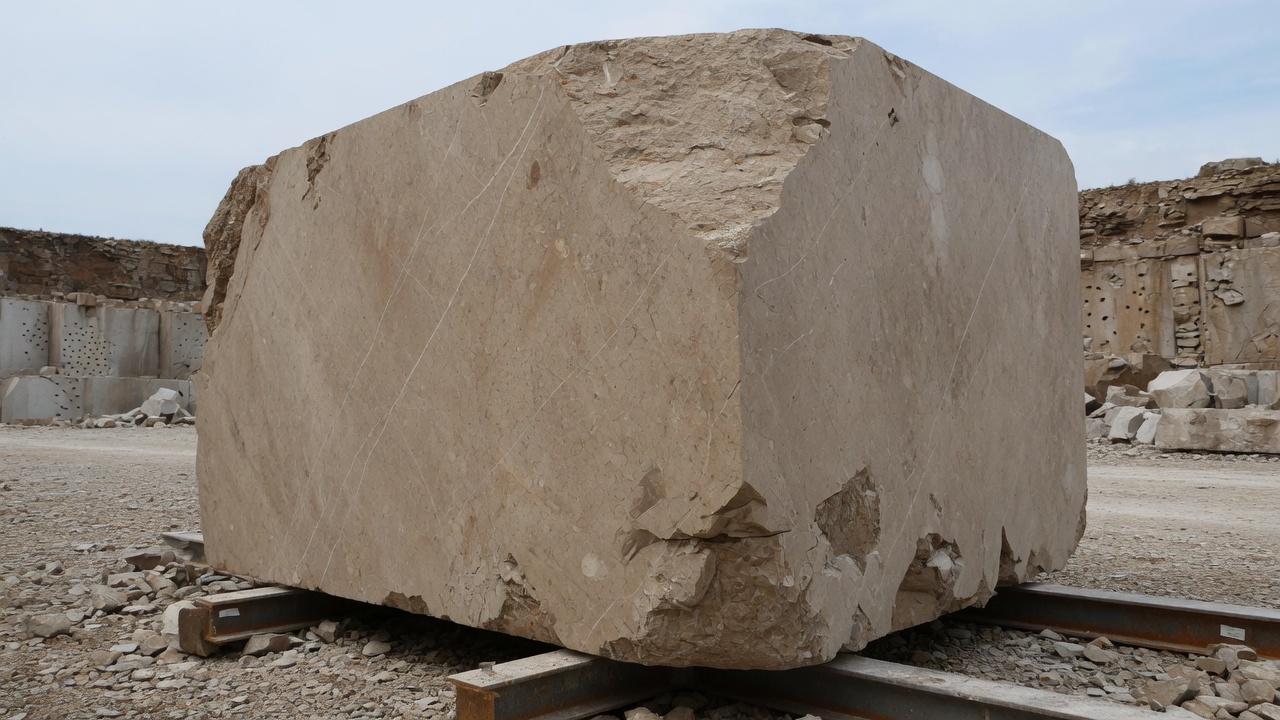
Quartzite has become one of the most requested stones we cut at our Cayce shop, and a lot of that comes from Columbia area homeowners who've seen it in renovation shows or a neighbor's kitchen and want the same look. Here's what we tell people who come in asking about it.
It's not the same as quartz, even though the names are close
This is the number one mix-up we clear up at the counter. Quartz is engineered, cut from ground stone mixed with resin. Quartzite is a natural stone, formed when sandstone gets compressed and heated deep underground until it recrystallizes. They can look similar in a showroom photo, but they behave differently, especially around heat. Quartz can scorch from a hot pan because of the resin in it. Quartzite handles brief heat better than most surfaces, though we still tell every customer to use a trivet, no exceptions.
Columbia's older homes and newer builds both ask for it, for different reasons
We see two kinds of quartzite requests from the Midlands. Folks renovating older homes in neighborhoods like Shandon or Forest Acres often want a white or light gray quartzite to brighten up a kitchen that hasn't been touched since the house was built. New construction in the growing areas around Lexington and Northeast Columbia tends to lean toward the bolder movement, the blues and golds that read almost like a piece of art on a big island. Both are good uses of the stone. It comes down to what you want the room to feel like.
The name on the slab isn't always the whole story
A slab's trade name isn't a guarantee of what the stone actually is. Some material sold as "quartzite" at the yard is really a softer calcite based stone that etches like marble. We go by how a stone actually behaves, not just what it's labeled, before it leaves our shop. If you're shopping around Columbia and something priced surprisingly low is called quartzite, ask to see it scratched or hit with a little vinegar on a hidden edge. True quartzite resists that. A calcite stone won't.
What people ask us most
- "Will it scratch?" Quartzite is one of the harder stones we fabricate, and it resists scratching better than marble. But even quartzite can scratch, so we always recommend cutting on a board instead of the stone itself. Use one and it'll stay looking new far longer.
- "Does it need to be sealed?" Yes. Quartzite is a natural stone and it's porous to some degree, so it needs sealing at install and then resealing, usually about once a year for a kitchen that sees regular cooking. We seal every job ourselves at install with a top-shelf sealer, so you're not left to figure that part out on your own.
- "Can I put a hot pot straight on it?" It handles brief heat better than a lot of surfaces, but we still say use a trivet. Thermal shock from a very hot pan hitting a cool slab can crack any stone, quartzite included.
- "Will red wine or lemon juice ruin it?" A well sealed quartzite resists staining, but a spill left sitting overnight can still soak in. Wipe it up when it happens and you're fine.
- "What's it going to cost?" In the Midlands, quartzite generally runs somewhere in the range of 70 to 120 dollars per square foot installed, depending on the slab's rarity and thickness. Exotic movement stones from certain quarries push toward the top of that range. We'll always give you a real number once we know the slab you want.
A note on polish and finish
Polished quartzite gets the shine people expect, but honed (matte) finishes have gotten popular in Columbia kitchens over the last few years, especially on islands where fingerprints show more on a glossy surface. Worth knowing: polishing changes the look, not the porosity. A polished slab and a honed slab from the same block absorb about the same amount, so sealing matters either way.
Where to see it in person
Photos online never show quartzite's depth accurately, the veining shifts depending on the light hitting it. If you're in the Columbia or Cayce area, come by 2015 Charleston Hwy and walk the slab yard. Seeing the actual piece that'll become your countertop, rather than a 4 by 4 sample chip, makes the decision a lot easier.