
Local
Engineered quartz countertops for Gilbert homes: a step-by-step look
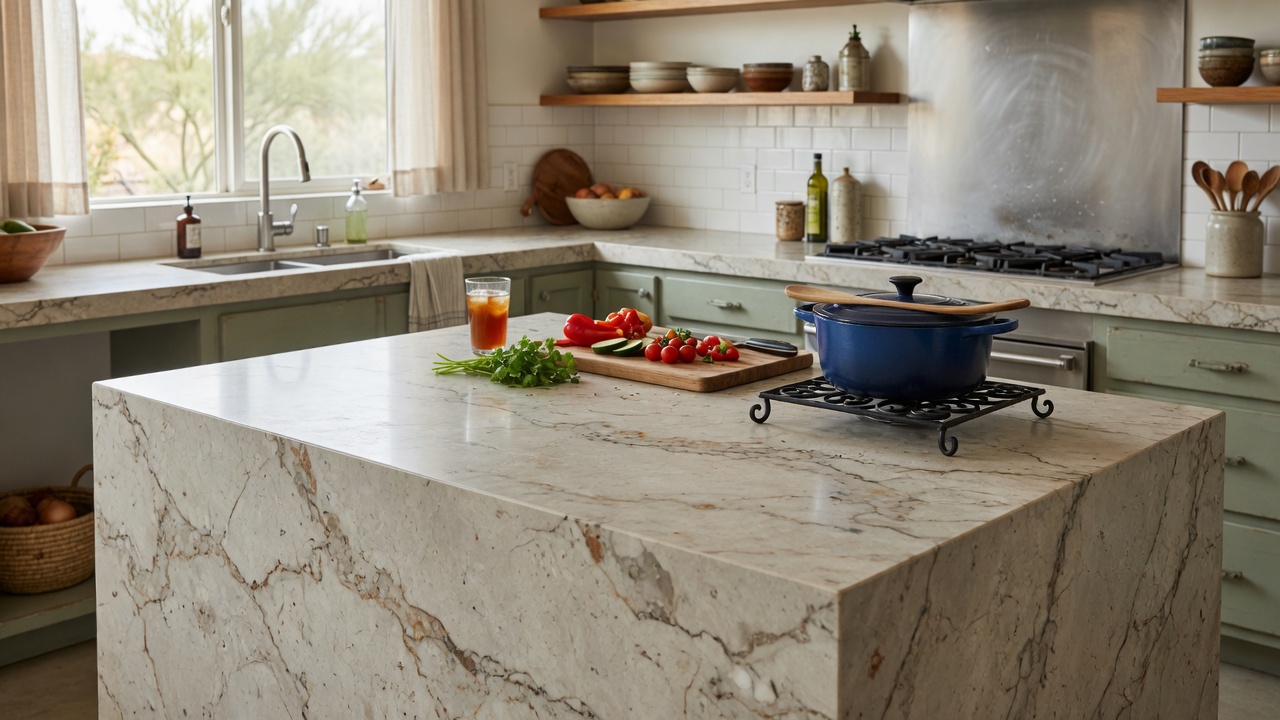
Gilbert's grown a lot over the last several years, and we see a good mix of newer construction out that way alongside older farmhouses and ranch homes near town. Quartz comes up a lot in those conversations, especially with families who want a kitchen that looks clean and consistent without a lot of upkeep. Here's how the process usually goes, step by step, so you know what to expect before you ever set foot in our Cayce shop.
Step one: figuring out if quartz is even the right fit
Before we talk colors, we talk about how you use your kitchen. Quartz is engineered from crushed quartz and resin, so you get very even color and pattern, slab after slab. That consistency is the big draw for folks who want a uniform look across a large island or a kitchen with a lot of counter run. If you're after the one-of-a-kind veining you get in natural marble or quartzite, quartz won't give you that. It's manufactured to repeat a pattern, not to vary like a rock pulled out of the ground.
Step two: picking a slab and understanding what you're buying
Once someone decides quartz makes sense, we walk through samples together. A few things come up almost every time:
- Heat. Quartz has resin in it, so a hot pan straight off the stove can scorch or discolor the surface. We tell every Gilbert customer the same thing we'd tell anyone: use a trivet, every time, no exceptions.
- Scratching. Quartz resists scratching well for daily kitchen use, but we still recommend a cutting board. It protects your knives more than the counter, but it protects both.
- Sealing. This is the one piece of good news that always gets a smile. Quartz is non-porous, so it doesn't need sealing, not at install and not down the road. That's a real maintenance difference compared to granite or marble.
Step three: measuring and templating
Once a slab's picked, we schedule a template visit at the house. This is where we take precise measurements of your cabinets, sink cutout, and any appliances that need clearance, like a cooktop or a wine fridge. For a lot of Gilbert homes we work in, especially newer builds with larger islands, this step matters more than people expect, because a big island slab has to be planned around seams, sink placement, and how the piece will actually get through the door.
Step four: fabrication back at the shop
Your slab comes back to Cayce, where we cut it to the template, cut the sink and cooktop openings, and polish the edges to whatever profile you picked, eased, bullnose, ogee, whatever fits your cabinets and style. This is also when we double-check seam placement so it lands somewhere natural, usually away from the sink and the main work area if the layout allows it.
Step five: install day
Install typically takes a few hours depending on the size of the kitchen. Because quartz is engineered and doesn't need sealing, install day is a little simpler than it's for natural stone. Your installer sets the pieces, glues and finishes any seams, hooks up the sink, and does a final check for level and fit before they leave.
Step six: living with it
Day to day, quartz is easy. Wipe up spills, use a cutting board, use a trivet for hot pots, and that's really it. No yearly resealing to remember. It holds up well in busy family kitchens, which is a lot of what we see in Gilbert, whether that's a young family in a newer subdivision or folks updating a kitchen they've had for twenty years.
A note on what quartz isn't
We'd be doing you a disservice if we didn't mention it: quartz is a manufactured product, and some homeowners come in wanting the natural movement and depth you only get from real stone like granite or quartzite. Both are good countertop choices. It just comes down to what look and maintenance routine fits your house.
If you're in Gilbert and weighing quartz against a natural stone, come by 2015 Charleston Hwy in Cayce and look at slabs in person. Seeing the actual material under real light makes the decision a lot easier than scrolling photos ever will.