
Local
Engineered quartz questions we hear from Chapin homeowners
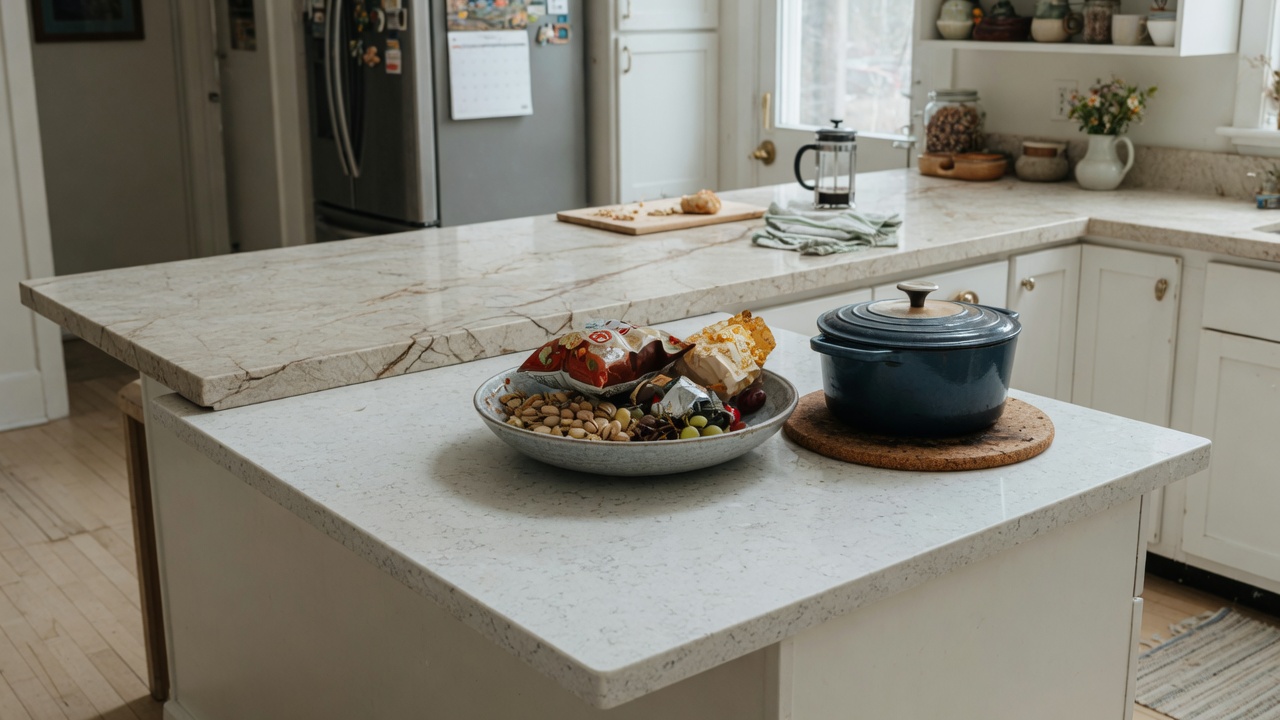
Chapin has a mix of lake houses around Lake Murray, newer builds off 76, and older ranch homes getting updated kitchens. We see a lot of engineered quartz requests from that area, usually from folks who want a clean, low-fuss surface for a busy kitchen or a rental property near the lake. Here's what people actually ask us.
Is quartz real stone or is it fake?
It's a fair question because the name confuses people. Engineered quartz is made from ground quartz mineral (usually 90 percent or more) mixed with resin and pigment, then pressed into slabs. It's not cut from a quarry block like granite or marble. That manufacturing process is exactly why it looks so consistent from slab to slab, which a lot of Chapin buyers like when they're matching a big island to perimeter counters.
Will it hold up with kids and a lake house full of guests?
This is where quartz earns its reputation. It's non-porous, so you don't have to seal it, and it resists staining from things like wine, sunscreen, or lake-trip snacks better than most surfaces. Wipe up spills and you're in good shape. Just know it's not bulletproof. It can scratch under a knife, so use a cutting board, and it's not immune to chips at the edges if something heavy gets dropped on a corner.
What about hot pots off the stove or a grill pan?
Be careful here. Quartz is engineered with resin, and resin doesn't like sudden heat. A hot pan set straight down can scorch or discolor the surface, and that damage doesn't buff out easy. We tell every Chapin customer the same thing we tell everybody else: keep a trivet or hot pad on the counter and use it every time, even for a quick set-down.
Does it need to be sealed like granite?
No, and that's one of the real advantages. Natural stones like granite, quartzite, and marble are porous to some degree and need sealing, usually resealed about once a year. Quartz is non-porous by design, so there's no sealing schedule to keep up with. That's part of why it's popular for second homes and rentals where nobody's around to keep up with maintenance.
Can I get a look that matches our lake house style?
Quartz comes in a wide range, from bright whites with fine veining to warmer grays and even concrete-look finishes, which fit a lot of the modern farmhouse and lake cottage styles we see going into Chapin kitchens. If you want the movement of natural marble without the etching risk, a marble-look quartz is worth a look. Just know it's a printed or blended pattern, not natural veining, so up close it reads a little different than real marble. Come see slabs in person before you commit; photos never do the pattern justice.
Is it cheaper than granite or quartzite?
Not always. Pricing depends on the brand, color, and edge work more than the material category itself. Some quartz colors run close to mid-range granite, and premium designer quartz lines can cost more than a lot of natural stone. We can walk you through real numbers once we know the size of your kitchen and the look you're after.
Where can we see it before we decide?
We keep quartz slabs on the floor at our shop in Cayce, right off Charleston Hwy, about a 25 minute drive from Chapin. Bringing a cabinet sample or a photo of your kitchen helps a lot when you're picking a slab in person. There's no substitute for standing next to the actual piece under real light before it becomes your countertop.