
Buying guides
How to pick a countertop fabricator
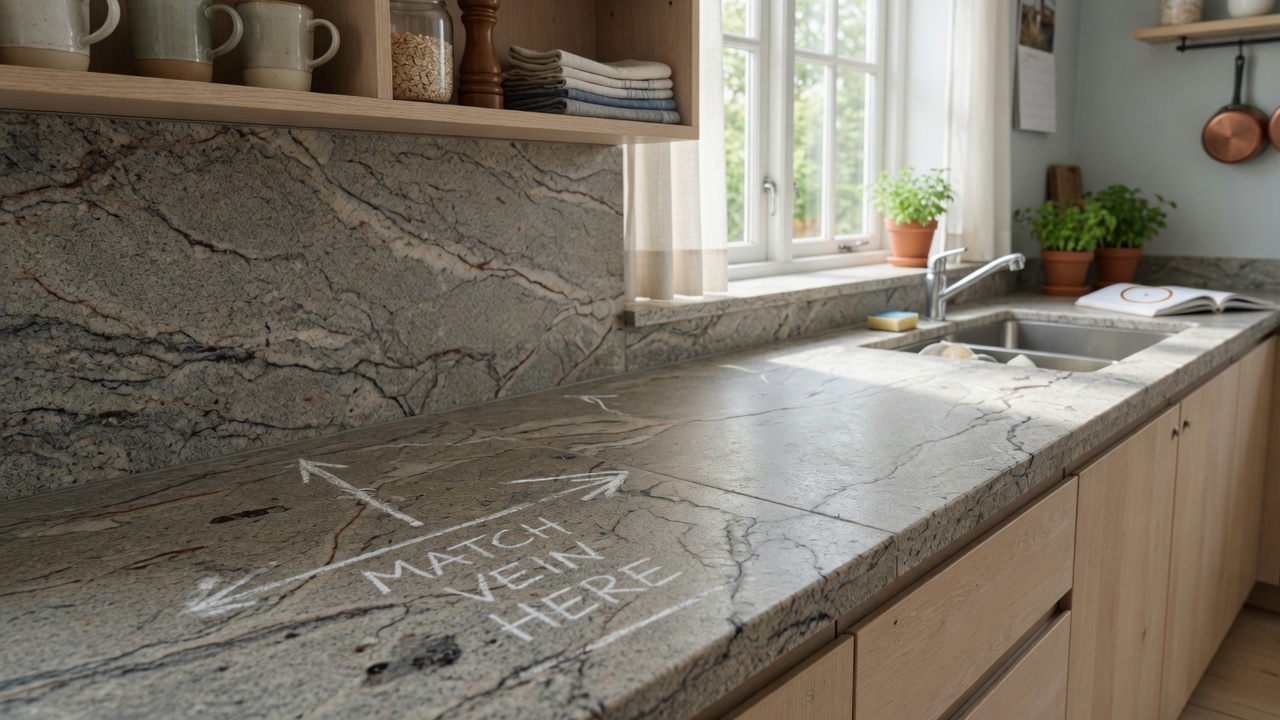
Myth: any two fabricators will give you the same countertop
You'll hear that a countertop is a countertop, so the only real difference between shops is price. Pick the lowest bid and you'll end up with the same slab either way.
That's not how it works. Two shops can install the same stone and hand you very different results, because the differences show up in the steps you don't see: how the seams get cut, how the edges get polished, whether the sealer gets applied at all, and whether anyone measured your kitchen twice before cutting anything.
What a good shop does differently
A good fabricator templates your kitchen in person, usually with a laser or a physical template, before any slab gets touched. They walk you to the slab yard and let you pick your actual piece, not a photo of one that might not match. They tell you where the seams will land before installation day, not after.
At our shop we seal every job at install with a good sealer, applied by installers we train to do it right. A lot of companies hand you the countertop and leave sealing up to you. That first seal is the one that matters most, and it should already be done when you move back into your kitchen.
Questions worth asking before you sign anything
- Do you template on site, or work from my old countertop measurements?
- Can I see and approve the actual slab before it's cut?
- Who does the sealing, and is it included?
- What happens if a seam doesn't line up right, or a corner chips during install?
- How long from template to install, and is that in writing?
A shop that answers these clearly and without hesitation has probably done this a few hundred times. One that gets vague or rushes you past the question is telling you something too.
Red flags
Watch for a fabricator who won't let you see the slab in person before it's cut, who can't explain their sealing process, or who quotes a price without ever measuring your kitchen. Be cautious of anyone pushing you to decide same-day on a stone you haven't seen in your own light. Countertops sit under your kitchen's specific light for years; a slab that looked great under yard lighting can read differently at home.
Why seeing slabs in person still matters
Photos and website swatches shift color depending on the screen and the lighting they were shot in. Granite and quartzite especially can carry movement and mineral clusters that a small photo just flattens out. Standing at the actual slab, you can see the veining, check for any color shift across the piece, and picture it against your cabinets and floor. It's also the moment to ask the shop to point out where your sink cutout and seams will fall on that specific piece, so there's no surprise later.
A quick, honest gut check
If a shop lets you walk their yard, answers your questions plainly, and treats sealing as part of the job instead of an afterthought, that's usually a good sign. If they rush you, dodge the sealing question, or won't show you the actual slab, keep looking. Come by our shop at 2015 Charleston Hwy in Cayce and walk the slabs yourself. No pressure, just a good look at what you're actually buying.