
Local
Granite countertops in West Columbia: myths we hear and what's actually true
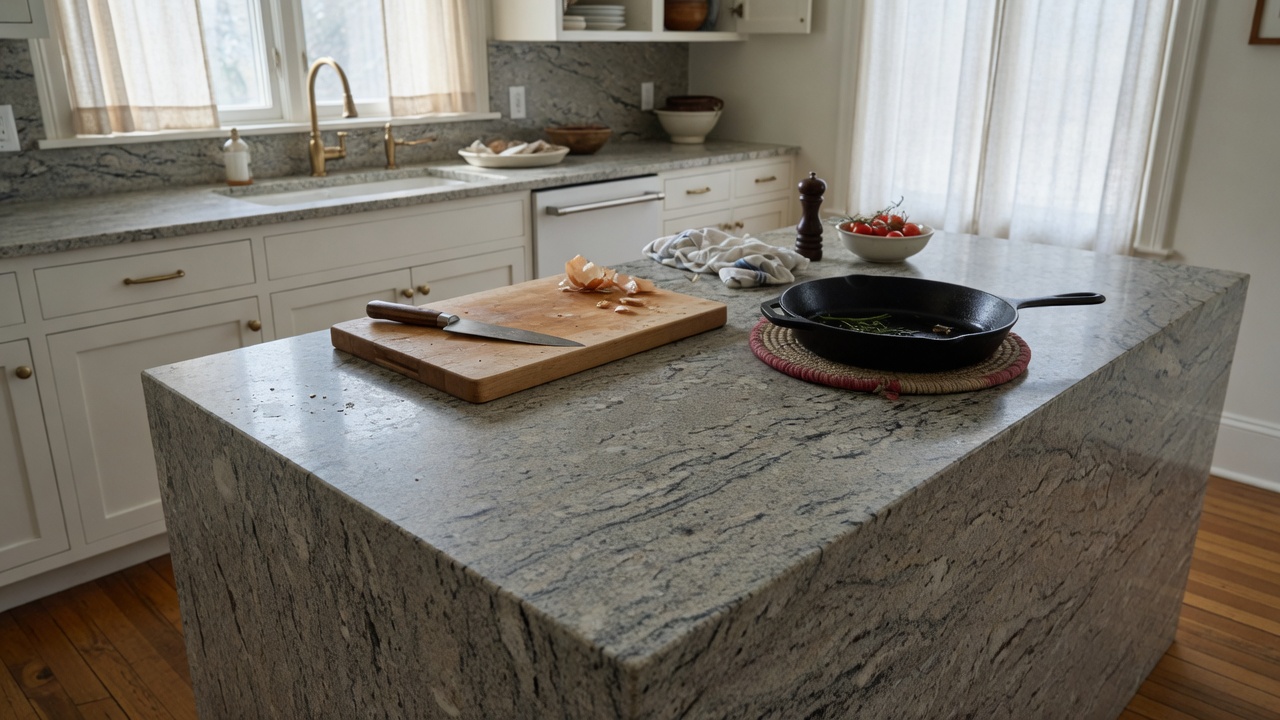
West Columbia has a good mix of older brick ranches near Riverwalk, newer builds off Platt Springs Road, and plenty of remodels in between. Granite comes up in almost every kitchen conversation we have with folks from that side of the river, usually because a neighbor has it, or a builder recommended it, or someone saw a slab online and fell for the color. Along with that comes a handful of myths that have been floating around so long people repeat them as fact. Let's go through the big ones.
Myth: granite is heatproof, so you can set a hot pan right on it
This is the one we correct most. Granite handles brief contact with heat better than a lot of countertop materials, that part's true. But "handles well" isn't the same as heatproof. Thermal shock from a pan straight off the stove can still stress the stone or the sealer over time, and there's no upside to testing it. Keep a trivet or hot pad handy. It costs nothing and it's one less thing to think about.
Myth: granite never scratches, so a knife can't hurt it
Granite is hard and resists scratching better than most countertop materials, including a lot of the engineered options. That's a real advantage. But "resists" isn't "immune." It holds up well to daily kitchen use, but a knife blade run across it directly can still dull faster than it would on a board, and it's not impossible to mark the surface, especially at an edge or a seam. Use a cutting board. Your knives will thank you either way.
Myth: once it's sealed, granite never stains
Sealing is real and it works, it's just not permanent or absolute. A good sealer fills the pores in the stone so liquids bead up instead of soaking in right away. That buys you time to wipe up coffee, wine, or oil before it sets. If a spill sits overnight, especially on a lighter granite, it can still leave a mark. We seal every countertop we install with a quality sealer, applied by installers we've trained to do it right, but we'll still tell you to reseal every year or so and to wipe spills when you see them.
Myth: granite doesn't need any maintenance at all
Granite is about as low-maintenance as natural stone gets, and that's a fair selling point. It still needs some care, though. It's porous to some degree, like all natural stone, so it should be sealed and resealed periodically. Most Midlands kitchens do fine with about once a year, sometimes less depending on how the kitchen gets used. A quick water-bead test tells you when it's time. If water soaks in fast instead of beading, reseal.
Myth: all granite is basically the same
We hear "granite" used as a catch-all term for almost any speckled stone, and that's part of where confusion starts. "Granite" and "black granite" are trade names covering a range of different stones with different mineral makeups and different behavior. Some slabs sold under a granite name perform differently than others. That's why we look at and test each slab rather than going by label alone, and why we'd rather show you the actual piece than describe it over the phone.
What actually fits West Columbia homes
For the ranch-style kitchens and open-concept remodels we see from that area, granite holds up well to daily cooking, resists heat and scratching better than most, and comes in enough colors and patterns to match almost any cabinet choice. It's a solid, honest choice for a busy kitchen, as long as you go in knowing what it does and doesn't need.
If you're weighing granite for a West Columbia kitchen, come look at slabs in person at our shop on Charleston Highway in Cayce. Seeing the stone under real light beats any photo, and we're happy to walk through what a specific slab will and won't do.